
- 01/04/2023
- by Dr. Sagar Sujanyal
- Blog
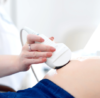
A fetal echocardiogram is a specialized ultrasound that focuses on examining the heart of a developing fetus. It is a non-invasive and safe procedure that can provide crucial information about the baby’s heart health and development.
Here are some instances when a fetal echocardiogram may be necessary:
- High-Risk Pregnancy: Women who have pre-existing medical conditions or those who have had complications in previous pregnancies may be at a higher risk of fetal heart defects. A fetal echocardiogram may be recommended in such cases to detect any abnormalities in the heart early on and plan for appropriate medical intervention.
- Family History: If there is a family history of congenital heart disease or other cardiac anomalies, a fetal echocardiogram may be recommended. This is especially true if the parent, siblings, or close relatives have a history of congenital heart defects or other heart conditions.
- Abnormal Fetal Ultrasound: If the standard ultrasound shows any abnormalities or concerns about the fetal heart, a fetal echocardiogram may be recommended to provide a more detailed evaluation of the heart.
- Maternal Infections: Certain maternal infections, such as rubella or cytomegalovirus, can increase the risk of fetal heart defects. A fetal echocardiogram In Pune may be recommended in these cases to evaluate the health of the baby’s heart.
- Medications: Some medications taken during pregnancy can affect the development of the baby’s heart. A fetal echocardiogram may be recommended if the mother has been taking such medications.
- Advanced Maternal Age: Women who are 35 years or older are at an increased risk of having a baby with a heart defect. In such cases, a fetal echocardiogram In Pimpri may be recommended to evaluate the heart health of the baby.
In conclusion, a fetal echocardiogram is necessary in certain circumstances to detect any abnormalities in the developing baby’s heart early on. It can help healthcare providers plan for appropriate medical interventions, including specialized care during pregnancy, delivery, and postnatal care. It is a safe and non-invasive procedure that can provide crucial information about the baby’s heart health and development, making it an essential tool in prenatal care.